

A Guide to Caring For Your EV During the Winter
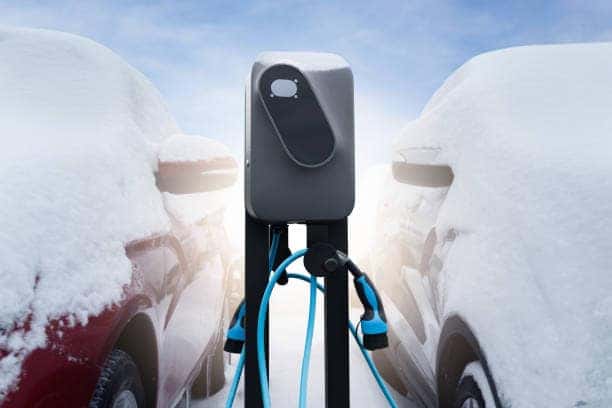 The winds of winter are out in full force in Des Moines, leaving us to make the proper adjustments: heaters are cranked up, sidewalk salt is spread, and cold weather clothing has taken up their usual residency in your wardrobe. In the meantime, perhaps you’ve noticed your Ford F-150 Lightning isn’t quite as spry as it was during the summer and fall.
Though you should be commended for making the switch to electric, becoming an EV owner comes with its own, unique set of challenges. Considering that even traditional car batteries struggle in cold conditions, it should come as no surprise that electric vehicles need extra care come winter. Your EV’s range and performance will inevitably drop a little until the weather warms up – but by adhering to these tips, you can comfortably survive until the season changes.
Don’t Let Your Battery Dip Below 20%
During the winter, EV owners may experience a 20-30% reduction in range due to lower battery performance and increased energy consumption. This is completely normal, as the lithium ions in electric batteries tend to slow down in colder temperatures. EV batteries resemble the human body in this aspect, as they prefer warmer weather, with optimal temperatures of 59-95 degrees Fahrenheit.
What steps should you take when winter hits? As a vital safety measure, be sure to never allow your battery to go below a 20% charge. Since batteries are more susceptible to sudden depletion during the cold season, there is a inherent risk associated with letting the charge drop to that level. Similar to your phone, tablet, or any other essential electronic device, remember to charge your EV when it’s not being used.
Park Indoors When Possible
If you happen to have a garage or a storage unit, it’s a good idea to keep your car parked inside when winter rolls around. But if you’re stuck with street parking, try to fire up the engine at least once a day instead of leaving it sitting for long stretches. And on those rare occasions when leaving it idle is unavoidable, make sure the battery has a charge of at least 70% to avoid any degradation.
It’s also a good idea to avoid rapid (or DC) charging. Although it may not be the most convenient, charging at slower speeds in colder weather is more beneficial for the battery’s health. Level 1 charging, which is typically the slowest option, is actually the preferable choice when it comes to chilly temperatures. Additionally, if you’re driving a hybrid or plug-in model, make sure to activate ECO mode.
Monitor Heat Levels
Before hitting the road for work or errands, it’s always a wise move to heat up your electric vehicle first. By gradually raising the temperature, you can reduce strain on the battery when you start driving. If feasible, it is highly recommended to charge your car while heating, as this will draw power from the charger rather than the battery, maximizing your daily range.
After warming up your car, it’s important to be mindful of the heat consumption. Rather than relying solely on the heater, consider utilizing the heated seat to stay warm. Keep in mind that excessive use of the heat can impact your car’s range. Striking a balance between your comfort and not overusing the heater is key. Just remember – your heater isn’t fond of winter any more than you are.
Remember That We’re Always Here to Help
If your vehicle is still succumbing to the effects of winter, make a trip to Charles Gabus Ford today. Remember not to neglect your tires, as a new set of winter tires can also positively impact your range. Plus, as we’ve detailed before, finding the right set of tires for your EV is pivotal to its longterm health.
Explore the suavest EVs on the market, such as the Mustang Mach-E, when you visit us today. Whether you need a battery replacement or something as simple as an oil change, everything you need to stay on the road this winter can be found at Charles Gabus Ford.
0 comment(s) so far on A Guide to Caring For Your EV During the Winter